10 Points must avoid for how to reduce spam score
Your spam score acts like a trust meter for your website’s reputation. A high score doesn’t just look bad—it can stop your emails from reaching inboxes and prevent your website from ranking well in Google search results. Whether you’re a blogger, marketer, or small-business owner, knowing how to reduce spam score is a survival skill in today’s SEO-driven world.
This article outlines 10 critical points you must avoid if you’re serious about maintaining a healthy online reputation. Let’s break it down step-by-step.
1. Ignoring the Basics: What Is Spam Score and Why It Increase
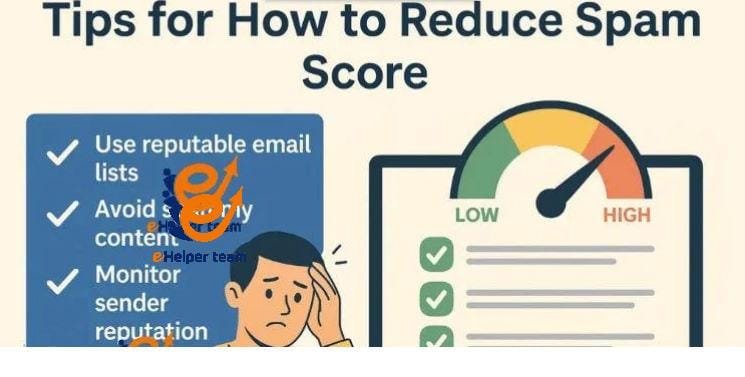
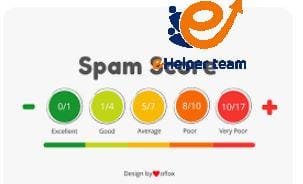
Many website owners underestimate what the spam score actually measures. Essentially, it’s an indicator of how “spammy” a website looks to search engines. Tools like Moz assign a score between 1 % and 100 %, with higher percentages suggesting risky SEO behavior.


Why It Matters
A high spam score may lead to:
Lower organic rankings
De-indexing of your pages
Loss of user trust
Email deliverability issues
How to Reduce Spam Score
To begin, audit your backlinks using trusted SEO platforms. Eliminate or disavow low-quality or irrelevant links. Follow Google’s link guidelines strictly, avoiding paid or automated link-building schemes. As explained in this backlink insights article, quality backlinks from relevant domains can improve SEO authority while reducing spam signals.
2. Overusing Anchor Texts and Unnatural Linking Patterns
Keyword stuffing inside anchor texts is one of the top causes of a rising spam score. Google’s algorithm detects repetitive anchor patterns that look unnatural or manipulative.
Best Practices
Keep anchor text diverse and contextually relevant.
Avoid repeating your primary keyword in every link.
Use branded or natural phrases like “read more on E Helper Team.”
Balance do-follow and no-follow links.
Over-optimized anchor text can make even high-quality backlinks appear spammy. The smarter strategy for how to reduce spam score is maintaining a balanced anchor profile that signals natural link growth.
3. Publishing Thin or Duplicate Content
One of the silent killers of SEO is thin content—pages with fewer than 300 words, or content that offers little to no value. Duplicate content, whether copied from competitors or auto-generated, increases your spam score dramatically.
Fix It
Write original, research-based content that answers user intent.
Use plagiarism detectors before publishing.
Regularly update older posts to keep information fresh.
Include multimedia (images, charts, videos) to enhance engagement.
4. Engaging in Irrelevant Guest Posting or Low-Quality Submissions
For instance, the proven strategies to increase traffic articles show how value-rich, updated content naturally attracts backlinks, lowering your spam risk.
Smart Guest Posting for SEO
Publish only on websites within your niche.
Avoid link-exchange networks and PBNs (Private Blog Networks).
Evaluate the domain’s authority and relevance before submitting content.
You can find legitimate opportunities in guides like 20 Best Guest Posting Sites, which lists reputable platforms for ethical content distribution.
Maintaining guest posts on trustworthy websites helps you build real authority and demonstrates to search engines that your site deserves a lower spam score.
5. Neglecting Email Authentication and Domain Reputation
Many marketers overlook their email domain reputation, which contributes indirectly to a high spam score. Sending newsletters from unauthenticated or new domains can trigger spam filters.
How to Protect Your Domain
Implement SPF, DKIM, and DMARC authentication.
Warm up your domain gradually before sending bulk campaigns.
Avoid spammy trigger words (“Free $$$,” “Act Now,” etc.).
Keep your mailing list clean—remove bounced or inactive addresses.
Understanding these technical steps isn’t optional anymore; it’s a crucial component of how to reduce spam score both for your website and your email marketing.
6. Ignoring User Experience and On-Page Optimization
Search engines associate poor UX metrics—like high bounce rates, slow load times, and intrusive pop-ups—with low-quality sites. These signals can increase your spam score indirectly.
Optimization Tips
Improve site speed with caching and image compression.
Use responsive design for mobile-first indexing.
Simplify navigation and reduce ads above the fold.
Write clear calls-to-action that provide genuine value.
User satisfaction is a long-term investment. By focusing on content quality, accessibility, and ethical SEO, you’ll automatically learn how to reduce spam score while boosting conversions.
7. Using Automated Link-Building Tools
One of the most common mistakes people make while trying to grow their SEO quickly is relying on automated link-building tools. These tools might promise hundreds of backlinks overnight—but most of those links come from spammy or irrelevant websites.
The Hidden Dangers
Many automated tools create links from directories, blog comments, or forums unrelated to your niche.
Search engines easily detect patterns of mass-created links.
Your domain authority and trust score can drop drastically.
How to Reduce Spam Score with Smarter Linking
Focus on manual outreach. Build relationships with credible sites in your industry, share authentic guest posts, and earn backlinks through quality content. When backlinks come from organic mentions, your site’s trustworthiness increases, and your spam score decreases.
To go deeper, review the Powerful SEO Insights for 2025 – Backlinks, which explains how to balance backlinks ethically for long-term success.
8. Ignoring Technical SEO and Site Structure
Even if your content is excellent, technical SEO problems can send negative signals to search engines. Broken links, crawl errors, and poor internal linking structures can all raise your spam score.
Technical SEO Fixes
Fix broken links: Regularly check for 404 errors using Google Search Console.
Create a sitemap: Helps search engines crawl your site efficiently.
Optimize your robots.txt: Avoid blocking critical pages unintentionally.
Use structured data: Schema markup improves visibility and trustworthiness.
A strong, clean site structure not only helps bots understand your website better but also demonstrates your professionalism. One of the easiest technical wins for how to reduce spam score is ensuring your site has zero broken or orphaned pages.
9. Ignoring Google’s E-E-A-T Principles
Google’s E-E-A-T stands for Experience, Expertise, Authoritativeness, and Trustworthiness. Neglecting these principles is a guaranteed way to raise your spam score.
Practical Implementation
Showcase author bios with qualifications and industry experience.
Cite reputable sources and link to authoritative websites.
Include case studies, testimonials, or statistics to build credibility.
Avoid clickbait titles and misleading claims.
Remember, every page should demonstrate expertise and deliver genuine value. When users and crawlers both trust your site, your spam score drops naturally.

10. Failing to Monitor Your SEO Health Regularly
Many website owners think that SEO is a “set it and forget it” process. In reality, consistent monitoring is essential to keep your spam score under control.
SEO Health Maintenance
Use Moz, Ahrefs, or SEMrush for monthly spam score audits.
Track domain authority, backlink quality, and keyword distribution.
Identify unusual spikes in spammy backlinks or duplicate content.
Stay updated with Google algorithm changes and link policy updates.
Frequently Asked Questions (FAQs) About How to Reduce Spam Score
1. What exactly is a spam score in SEO?
A spam score measures the likelihood that a domain or webpage might be penalized by search engines due to low-quality signals, such as poor backlinks, duplicate content, or unethical SEO tactics.
2. How often should I check my spam score?
You should check your spam score at least once per month. Frequent monitoring allows you to identify harmful backlinks or changes in content quality before they impact your rankings.
3. What’s considered a high spam score?
Typically, a score above 30% on tools like Moz is considered risky. Websites above this threshold are more likely to be flagged or penalized.
4. Can backlinks increase my spam score?
Yes, if they come from irrelevant or spammy sources. Backlinks from reputable, topic-related sites, however, can help reduce your spam score.
5. How do I disavow bad backlinks?
You can upload a “disavow file” via Google Search Console, telling Google to ignore links from harmful or spammy domains.
6. Does duplicate content always increase spam score?
Mostly, yes. Duplicate content signals low originality, which can increase spam risk. Always write unique, valuable content that adds something new.
7. Can email spam affect my website’s SEO spam score?
Indirectly, yes. Spammy email practices can damage your domain’s reputation, affecting its trust level with search engines and email providers alike.
8. What role does domain age play in spam score?
Older domains with consistent, ethical SEO history usually have lower spam scores. New domains must build trust over time.
9. Is keyword stuffing still harmful in 2025?
Absolutely. Repeating the same keyword excessively makes your content look unnatural. Maintain a keyword density of around 1–1.5%.
10. What’s the fastest way to reduce spam score?
Conduct a backlink audit, disavow spammy links, remove duplicate content, and improve your technical SEO. These four actions deliver quick, measurable improvements.
Conclusion
Reducing your spam score isn’t just about avoiding penalties—it’s about building long-term credibility and trust with both users and search engines.
By steering clear of these ten mistakes and following modern SEO practices, you’ll ensure your website remains resilient, ethical, and visible. Remember, how to reduce spam score is not a one-time fix; it’s an ongoing commitment to transparency, quality, and relevance.
In 2025, success on the web belongs to those who value trust over tricks, authenticity over automation, and real connections over shortcuts.